

Marine Pipe Pulling Equipment
Float-and-Sink Installation Equipment for Outfall and Intake Lines
Specialized gear for the float-and-sink method used on sewage outfalls, seawater intakes, river and lake crossings, and marine dredging lines.
Installation
Pressure-Tested
Tow-Out
508–1524 mm
Installing an outfall, intake, or dredging line in open water is a different discipline from onshore pipeline construction.
The pipe string has to be sealed and pressure-tested, fitted with a towing connection, floated, towed, and lowered into position under control, all without exceeding the pipe’s tension or bending limits along the way. Technical Pipeline’s Marine Pipe Pulling Equipment covers the specialized gear this work depends on, built for the float-and-sink method used on sewage outfalls, seawater intakes, river and lake crossings, and marine dredging lines.
The full sequence of a marine pull
Our range supports the full sequence of a marine pipe pull: sealing and pressure-testing the pipe string with the Pipe Test Plug, fitting a Towing Cone/Funnel to guide the leading end smoothly through the water, attaching the tow line securely via the Towing Head/Pulling Head, and supporting the buoyancy of the pipe string with external Pipe Floats during tow. All four products share a common 20″ to 60″ (508–1524 mm) size range, giving marine contractors a coordinated system for deploying HDPE and steel pipelines in coastal and offshore waters.
Explore Our Marine Pipe Pulling Equipment
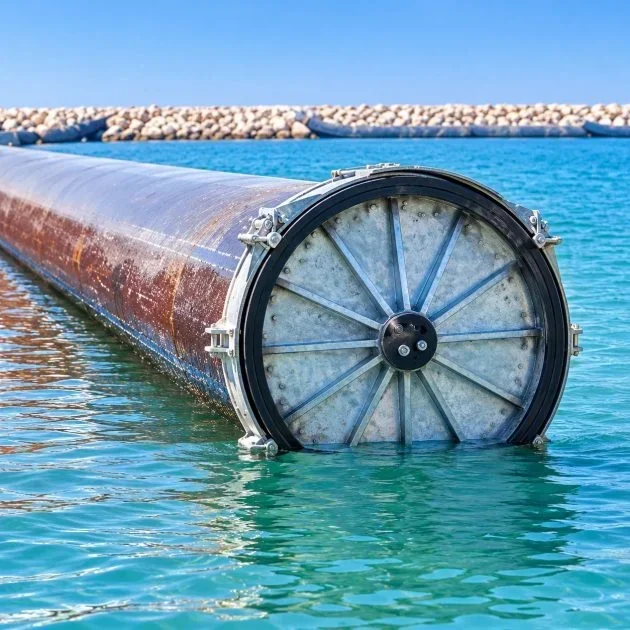
Pipe Test Plug
Seals the pipe end to pressure-test the string before and during tow-out.
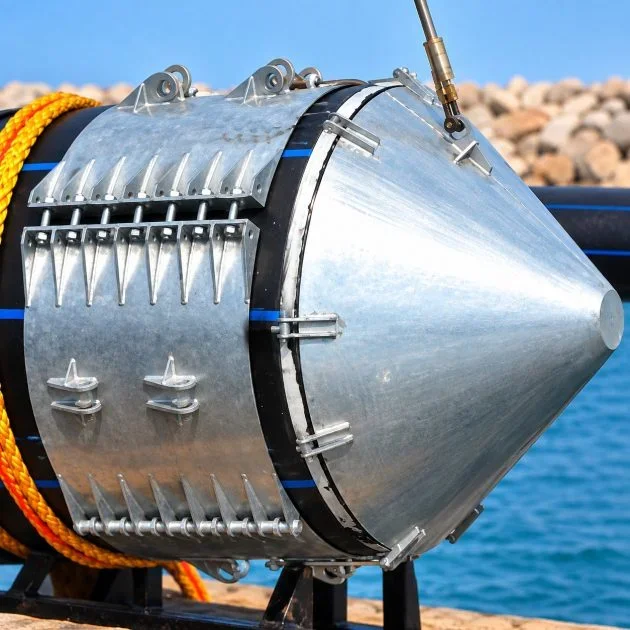
Towing Cone / Towing Funnel
Tapered nose that guides the leading pipe end through the water.
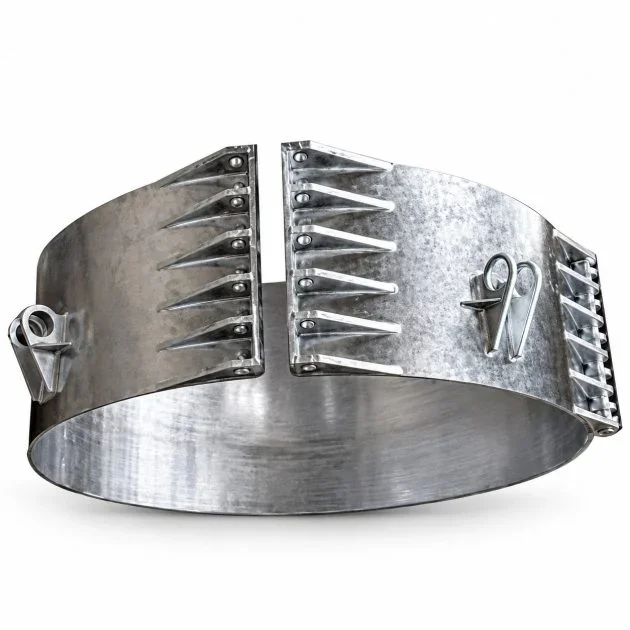
Towing Head / Pulling Head
Secure attachment point distributing tow line force into the pipe wall.
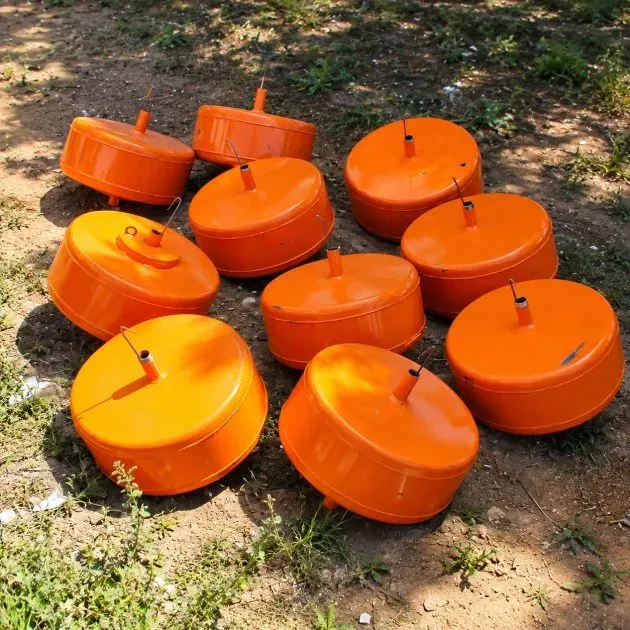
Pipe Float
External buoyancy support for the pipe string during marine deployment.
Contact our engineering team for a marine pulling equipment package matched to your pipe diameter, tow route length, and installation method.
Contact Engineering →